

It’s said that a picture is worth a thousand words. I wish that were always true.
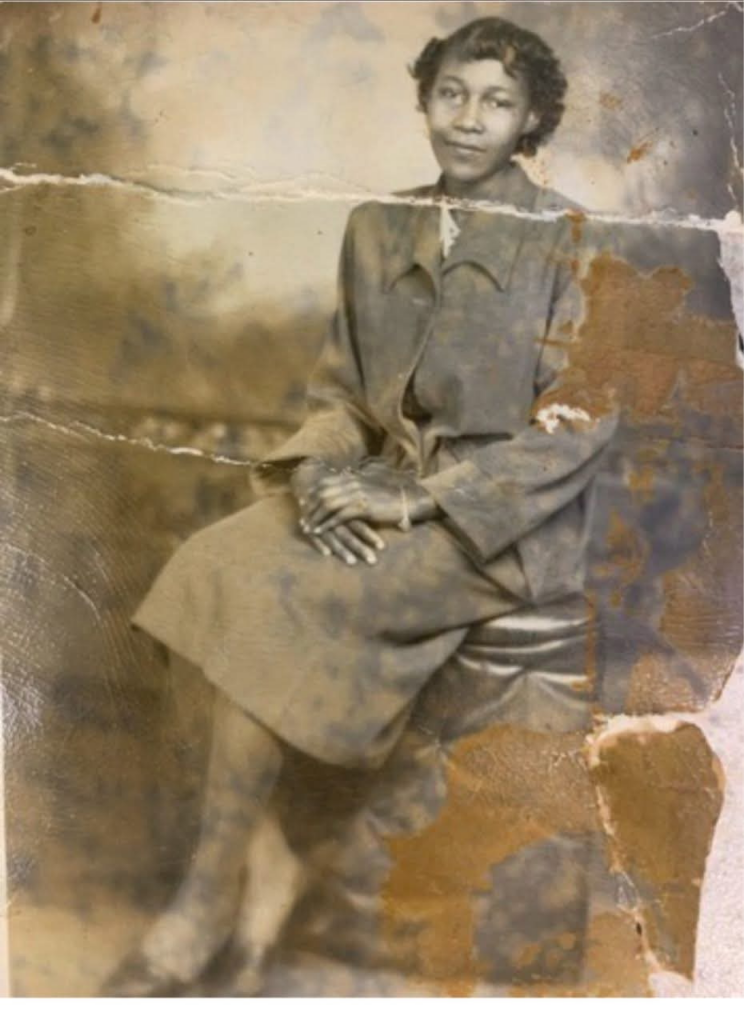
Some pictures have no story—just the image and the feeling of the material that holds the shot. If you’re lucky, you may have a photograph with names written on the back, a date, maybe even the occasion that called for someone to snap the memory.
Then there are the pictures with no details. No known connection, yet somehow they’re in your possession.
These are the photographs that become based on interpretation.
“I think this is such-and-such.”
“It looks like they’re attending a party, but I’m not sure.”
“I think the year was 1978.”
The insight becomes subjective. You’re left with your imagination and more questions than answers.
Who is this?
Where were they going?
What happened before this picture was taken?
What happened after?
And even if you were part of the photograph, can you ever truly say what another person was feeling in that moment?
I grew up in the era when everyone owned photo albums—and pictures galore. Pictures were a big deal.
The albums were often large leather spiral books filled with pages and pages of photographs. They highlighted the good times, life transitions, and our family history. These books held memories and were a testament to who we were as a family.
Actual photographs. Some cardboard, some paper, black-and-white photographs, and Polaroids.
My favorites were the framed pictures.
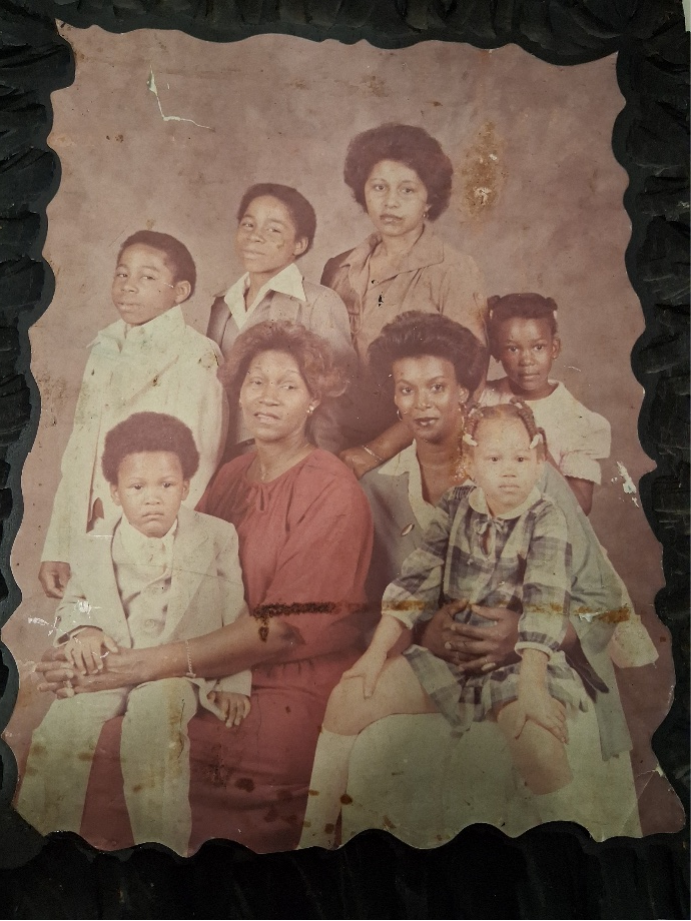
Those were the photographs that were always on display, usually family portraits or group shots. The reflection and representation of unity were always present. As a kid, I felt proud seeing my family displayed throughout the house.
Pictures were everywhere.
When my grandmother passed, her photographs became some of our most prized possessions.
I’m a person who believes you don’t need a lot of photographs to tell or shape your story.
You need good ones.
And my grandmother had good photographs of herself.
One of my favorites was a picture of her standing beside her maroon Cadillac, one hand touching the car. I believe the photograph was taken sometime in the 1970s, based on her clothes and the style of the Cadillac.
She posed intentionally.
She wore a two-piece suit—a blazer and skirt. Hair laid. Shades on.
I loved seeing her this way.
Bold. Confident. Unstoppable.
To me, that photograph symbolized that she had arrived on her terms.
A Black woman from Holly Springs, Mississippi, born in 1932 in the Jim Crow South.
My grandmother didn’t brag, but she popped her collar a little bit in this pic—and I felt her.
She was a married woman with a paid-off home, a pool, a pool table in the basement, projector TVs, the latest décor, and a bar in her home.
Yeah.
She had arrived.
And the picture said:
This is me. The real me.
Janie Mae Washington Lesuire.
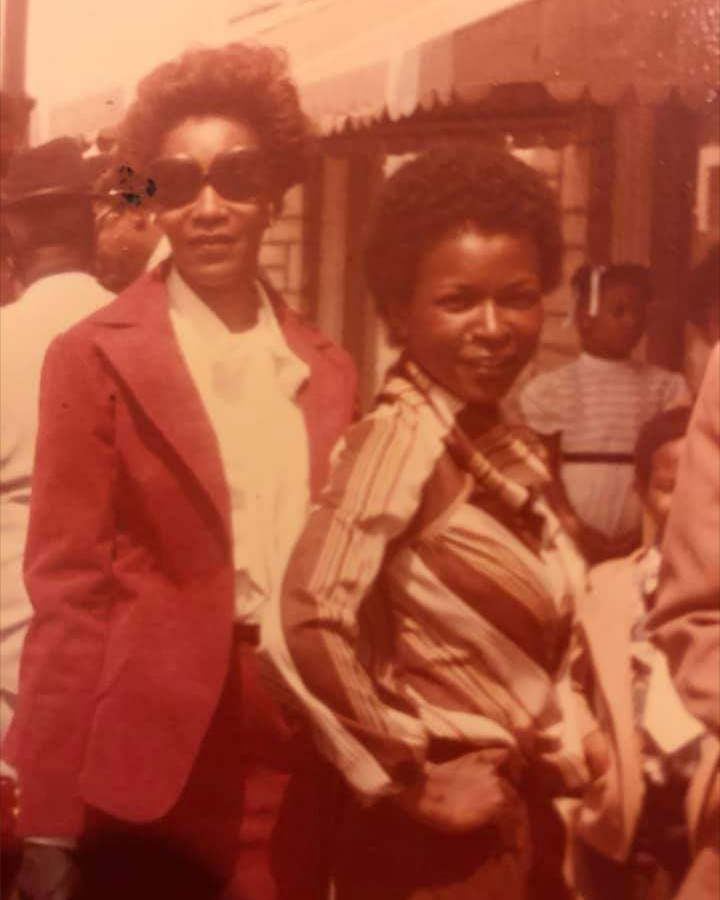
Another photograph that stands out is one of my grandmother and her niece, Kim McFadden.
Grandma had returned home to Holly Springs to attend a funeral. I had never visited Mississippi, but that photograph took me home.
You could vaguely see the dirt road and a few people in the background. The essence was there, and for a moment, I was there too.
My grandmother and her niece stood together. Grandma stood out because of her stature. She was tall and wore sunglasses. Her niece smiled beside an aunt she loved and admired.
That photograph gave me a place I had never been.
The Cadillac photograph, however, is nowhere to be found.
And that saddens me tremendously.
Photographs evoke emotions. They fill gaps in history. They tell style stories. They connect us with our past—and sometimes even our future.
But now we live in a digital world.
Most of our photographs live on social platforms or inside our phone galleries. Metadata organizes dates and geographic locations. Technology can even suggest who another person in the photograph may be.
Is that convenience wrong?
No.
But are we losing something?
Are we missing the power of opening an album and physically going back in time?
I miss picture time during the holidays. Going through albums. Asking questions. Carefully removing photographs from their protective pages and gathering more information about my family tree.
The photograph of my grandmother resting her hand on that Cadillac may be physically lost, but the story and memory are implanted in my mind and heart.
Let that be a cautionary tale.
Preserve your favorite memories digitally and physically.
Give photographs to family members as gifts—even if they’re copies.
The gift of memory, family, and connection cannot be bought.
Share the love.
Preserve the memory.
Keep the stories.
Because in the end, sometimes that is all we have left.
There is another thread I noticed while looking through my grandmother’s photographs: she loved sunglasses.
In so many of her stylish pictures, she wore a pair of sunnies.
I love that.
I believe sunglasses are a sophisticated way to upgrade almost any look. Just make sure your shades are clean.
But back to the photographs.
Pictures of my grandmother wearing leopard-print dresses will forever be keepsakes. Patterns like those remind me of the funk, flash, and bold trends of the 1970s.
Shine bright, pecan beauty.
My grandmother’s photographs are part of my blueprint for style.
The first step?
Pop your shit—and do it with style.
The second?
Choose bold, or don’t do it at all.
And when all else fails, get you a pair of shades and confidently make your moves.
Another detail I vividly remember about my grandmother’s photographs was her pose.
My grandmother was tall, and she knew how to move her body.
Through those pictures, I could always feel her femininity, grace, and connection to herself. As a child, I would comb through the albums and see my grandmother wearing the latest trends of the 1970s—Afros, vests, accessories, bell-bottom jeans.
Seeing her smile in those photographs always made me smile.
I would beam with pride and think:
That’s my grandmother.
I am forever grateful for the memories, the style, the love, and the grace she left behind.
Her photographs are now spread among many of her grandchildren, and for that I am grateful.
We each get a piece of the history.
A piece of the fashion.
A piece of her confidence.
All from one snap.
Maybe a picture isn’t automatically worth a thousand words.
Maybe the thousand words come from the people who remember enough to tell the story.